The July 2026 Brief
The July 2026 Brief
Below is a brief description of some of the most visited museum and gallery exhibitions throughout China for the month of July 2026.

During the entire second half of the year Guangzhou Art Museum will host "Qingzhou Smile: Buddhist Images of Qingzhou, China" featuring 62 masterpieces of Buddhist sculpture found at the Longxing Temple in Qingzhou. The pieces span the period from the Northern Wei Dynasty through to the Northern Song Dynasty. A third of them have been classified as top national treasures. The selection is only a small part of the overall 400 items found near the temple in 1996 - an event that shocked the archeological community. At the center of the show is Buddha's smile conveying calm and gentleness in difficult and uncertain times.

HIVE Center (Shanghai) is hosting Zhai Wenqing's "The Fabricated World", an exhibition which invites us to think about artificially constructed realities and how "a lie told a thousand times becomes truth" (in its consequences). The concept is most clearly realised in the impact of mass/social media on human behavior but the idea runs deeper than that and is religious in origin. Zhai's canvas is a theatre stage where the set appears too laboured to be real, too polished to be authentic, too fascinating to be tested. The artist is an alumni of Yale University School of Art and currently lives in New York.
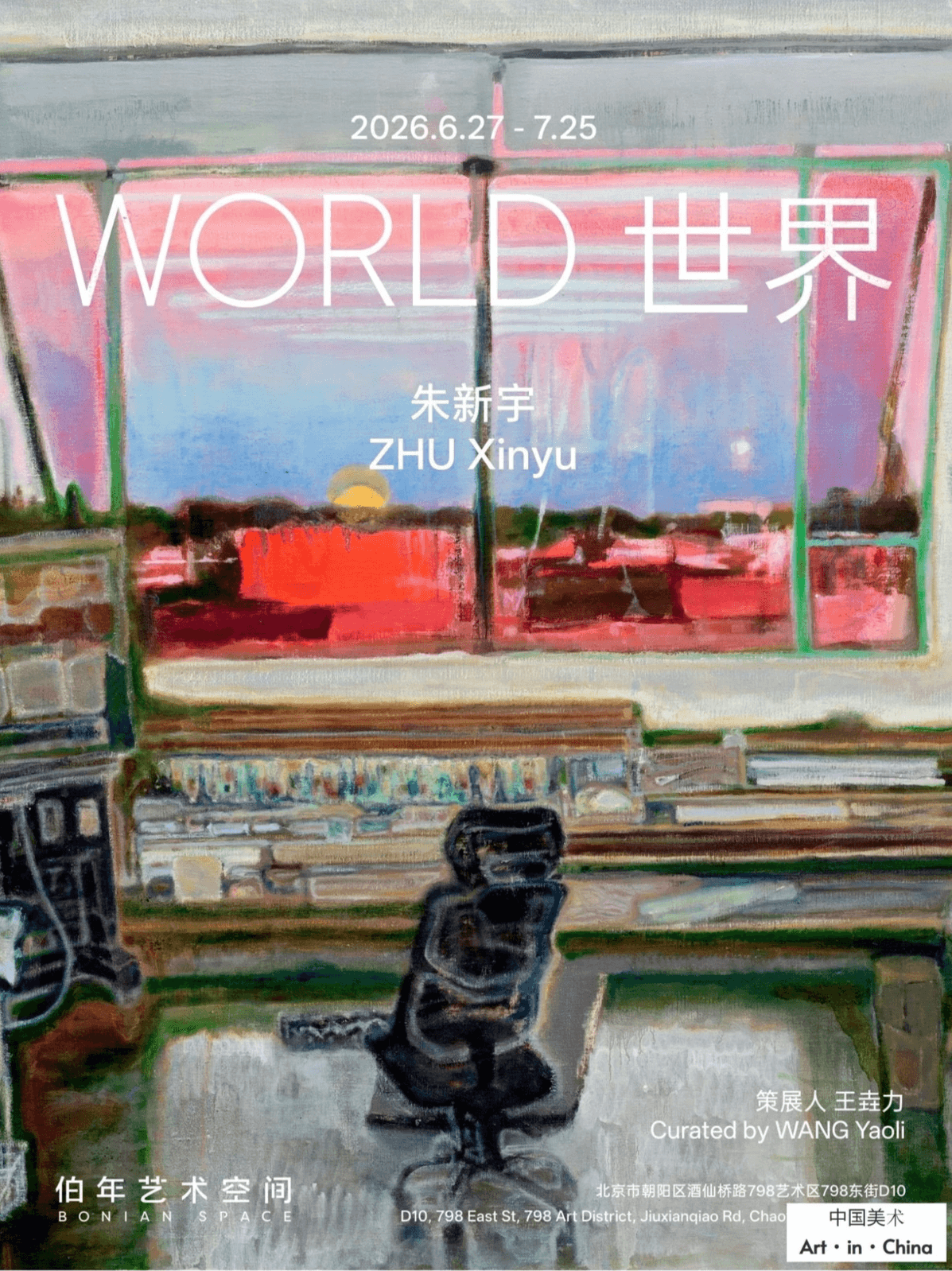
Bonian Space in Beijing is showing "World" by Zhu Xinyu, a collection of nearly 20 new oil paintings in which the artist deconstructs and reassembles different spaces to create unique outer- and innerscapes. By overlapping different realms, the artist is making an allusion to the web of realities within which we move. Blending traditional Chinese views with modern places like PC clubs, Zhu creates a patchwork of memories, experiences and moods. His works have been shown in France, Australia and Singapore.

Tsinghua University Art Museum is hosting an exhibition dedicated to Pang Xunqin (1906-1985), one of the key figures behind the first art and design school in modern China (Tsinghua University). The artist studied in France after the First World War when Paris was the epicenter of artistic trends, particularly Cubism and Fauvism. The exhibition includes over 400 items and is split into four sections which trace Pang's mission to blend Chinese and Western influences and to bridge modern and ancient concepts.

Foshan Museum presents "Masterpieces of Landscape Paintings from the Song, Yuan, and Ming Dynasties in the Museum Collection". The star of the show is "Album Leaf of a Pavilion in a Pine Forest" by Ma Lin, the son of Ma Yuan, one of the four great masters of the Southern Song dynasty. The Song style of paintings is particularly notable for the use of negative space, the calm of the overall colour palette and for placing literati life, painting, music, poetry and tea ceremony at the center.

Guangzhou People's Art Center presents a timeless exhibition of Thangka art. The use of digital technologies makes the colourful Thangka tradition even more of a feast for the eyes than usual. The museum experience is further enriched by special treasure hunts, photo op setups and stamp-collecting corners. Of note, Thangka paintings are not "just paintings" but meditation items with a strong religious significance in Buddhist practice.

Xinjiang Museum welcomes "A Timeless Tale of Beads and Jade", a travelling exhibition first developed by the National Museum of China. In Chinese culture, beads are iconic symbols of fashion and religion, a way to carry the Dao through objects. Furthermore, beads carry early spiritual beliefs, aesthetic awareness, craftsmanship, traditions of expression and self-expression. Visitors can view more than 600 items mixing the spiritual and the secular.

Han Xiuzhi's "Daily Myths" at Soul Art Center looks into the spiritual side of secular, mundane objects and events. Her work nudges us to seek the deeper meaning in daily occurences as a way of connecting with the Divine. Myths are everywhere around us - from the characters in our lives to the stories of our days - can we discover them? Can we trace the intricate relationship between people and Gods?

"The Elegance of Ancient Murals: The Art of the Northern Grassland" is on show at Wuhan Museum. It features Han Dynasty tomb murals, Aizhai grottoes, and temple murals from the Ming and Qing dynasties. Of note, the Aizhai grottoes are often called "the Dunhuang of the Grassland" (Grassland is a reference to the administrative region Inner Mongolia in China) and feature Tibetan Buddhist art from the Western Xia (1038-1227) and Yuan (1271-1368) dynasties. The organisers have used a special advanced replication technology to reproduce the colour, texture and details of the murals and really drawn the visitor into the experience.

"Primordial Soup" by Nhozagri features pink and purple fluffy creatures living in a "great kingdom"; existing in a state between inception and being; a state of early becoming. The exhibition explores the hazy phase when something is starting to form but is not yet clearly outlined. If the reality around us is nothing but the current, temporary shape that time has taken, what's next and how do we know we are entering the new phase of transformation (the new "primordial soup" stage for the next shape of reality)?

Ju Teng's "Image Layers" (One Art Museum in Beijing) is a tribute to the "90s kids" generation. The artworks are a mixture of video game screenshots, trading cards and the entire visual culture of the dawn of the internet. Those years were the "primordial soup" (so to speak) of the current digital age when this new generation of digital natives was just starting to form. All later generations were born within an already digitalised world where everyone has a smartphone and a Wi-Fi connection but "the 90s kids" generation was the one born at the borderline between two eras and as such has a unique perspective on the Early Days. The show aims to revive some of that spirit and to pay tribute to the visual culture of those times full of optimism and hope about the new world that was coming.

Suzhou Museum hosts "Cats and Dogs", an exhibition which looks into the hearts and minds of stray town cats and dogs. As you walk through the city, going about your daily business, and you come across a stray cat or a stray dog, have you ever wondered what is going on through their minds? We, humans, have been living with these animals roaming about our cities and villages for as far back as we can remember, yet have we ever wondered what our world looks like through their eyes?