The September 2026 Brief
The September 2026 Brief

Macao Museum is hosting "The Empress' World", an exhibition dedicated to the reign of Wu Zetian (690–705) and more specifically, to the way the city of Luoyang changed when she made it her capital (in 690). Visitors can see 126 items on loan from 8 museums across China which shed light on different aspects of how Luoyang changed under Empress Wu. Artefacts on show include urban planning schemes, statues, pottery, porcelain, architectural elements, street inscriptions and many more.
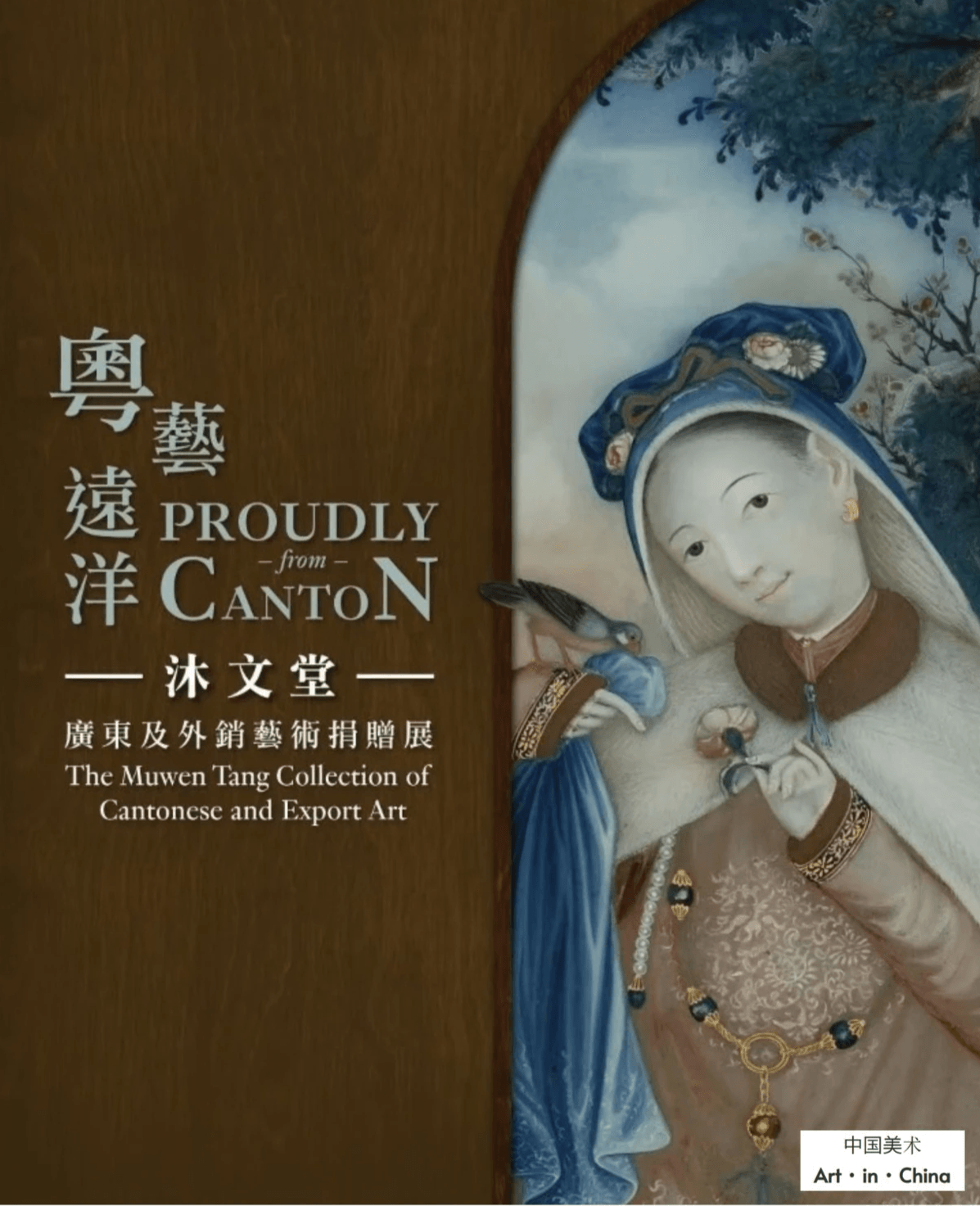
Hong Kong Museum of Art is showing "Proudly from Canton: The Muwen Tang Collection of Cantonese and Export Art", an exhibition of 120 items from a total of 2000 donated by Dr. Simon Kwan and his family. Visitors will be able to see exquisite items such as black lacquer paintings, gold designs, Guangzhou embroidery, palace fans, oil paintings of the Pearl River front and silver tea sets - all famous for having been items in high demand during the golden days of the China-Europe maritime trade. This is the lingle largest donation the Hong Kong Museum of Art has ever received. Dr Kwan is a prominent Hong Kong architect, art connoisseur, and collector Dr. Kwan holds a PhD in Fine Arts from the University of Hong Kong (HKU) and is a key member of the renowned Min Chiu Society. He is widely recognized for his scholarly publications on Chinese jade, gold and silver wares, sculpture, and Song dynasty ceramics.

Shanghai's Cheng Art Museum in hosting "The Contemplative Realm", a large-scale exhibition of over 397 stone seals by 169 members of the Xiling Seal Society. Normally, the inscription on a seal is under 7 characters long but this show features unique examples of seals inscribed with more than 7 and up to 26 characters, all fitted into one sq inch. The design is based mostly on the seal script but regular, cursive, clerical, and bamboo slip scripts are also included. The current Xiling Seal Society was founded in 1904 but its roots date back to the Ming and Qing dynasties and is one of China's most important traditional stone seal engraving associations.

Tonglin City Museum is hosting "Splendid Bronze", a large-scale exhibition of over 100 artefacts exploring the bronze civilisation which emerged around the Yangtze river. The show is divided into three sections - "First Casting", "Exchange and Fusion" and "Diversity in Unity". The Chinese civilisation is believed to have originated from the cultures that emerged around the Yellow and Yangtze rivers. Both "sub-civilisations" had well-developed bronze cultures but while the Northern (Yellow river) bronze statues tend to be more solemn, the ones from the Yangtze river basin (in the South) tend to be more imaginative and spiritual.

Shanghai N+ Art Museum is hosting "Figurations of Order", an exhibition where 15 artists offer their take on the topic of order formation and transformation. Some artworks explore the emergence of order from chaos as a natural process of organisation and self-organisation. Other sections of the exhibition show how rules and diviations, rules and chance both play a role in the transition from one order to another. Ultimately, the artists invite us to think about the establishing and loosening of order, how it is built, perceived, deviated from and reconstructed. Of note, the topic of order is quite central to Confucian culture because according to Confucianism the superior man is the one who can create order out of chaos. So order is held in high esteem and the methodology of creating it and transofrming it is of utmost importance.

"Shall we Meet in the Guild Hall" looks at the guild hall culture and vibe over a period of 300 years. Guild Halls served as social, commercial, religious, and cultural hubs for merchants, craftsmen, or travelers who shared the same native province or trade. The guild hall was the first place travellers visited upon arrival in a city and the last place they stopped by before departure, a place of chance encounters, hopes, dreams and promises of future get-togethers.

Fuzhou City Art Museum is hosting "Carving Ming Life into Stone", an exhibition of shoushan stone sculptures depicting scenes from everyday life, markets, home life, local culture of the Ming dynasty. Shoushan stone carving culture originated around Shoushan Village in Fuzhou, Fujian Province about 1500 years ago. It gained wide popularity during the Ming (1368-1644) and Qing (1636-1912) dynasties for traditional Chinese seal carving, figurines, and scholar's objects. It is protected as a Chinese a first-tier Intangible Cultural Heritage. The stone comes in various colours and is relatively soft, making it convenient for carving.

Soul Art Center in Beijing is hosting "Fleeting Season" by Hu Junjun. The exhibition uses modern visual language to celebrate the Buddhist doctrine and to explore key topics such as Nirvana, Emptiness and the transient nature of life. Hu's art traces Buddhist presence and teachings in everyday life and aims to help the visitors reconnect with spirituality amid daily business.

Aon Contemporary Gallery in Hong Kong is hosting "White Reclusion", a group show by 8 artists who explore the meaning of autumn. In the past, autumn was called "white storage", a season to return inwards after the action and excitement of Summer. Traditionally, Autumn is the season for slowing down when life is still eventful but noticeably slowing down. This is the time to take stock of what has been accomplished during the most active period of the year (the Summer) and to learn lessons and reflect on the past.
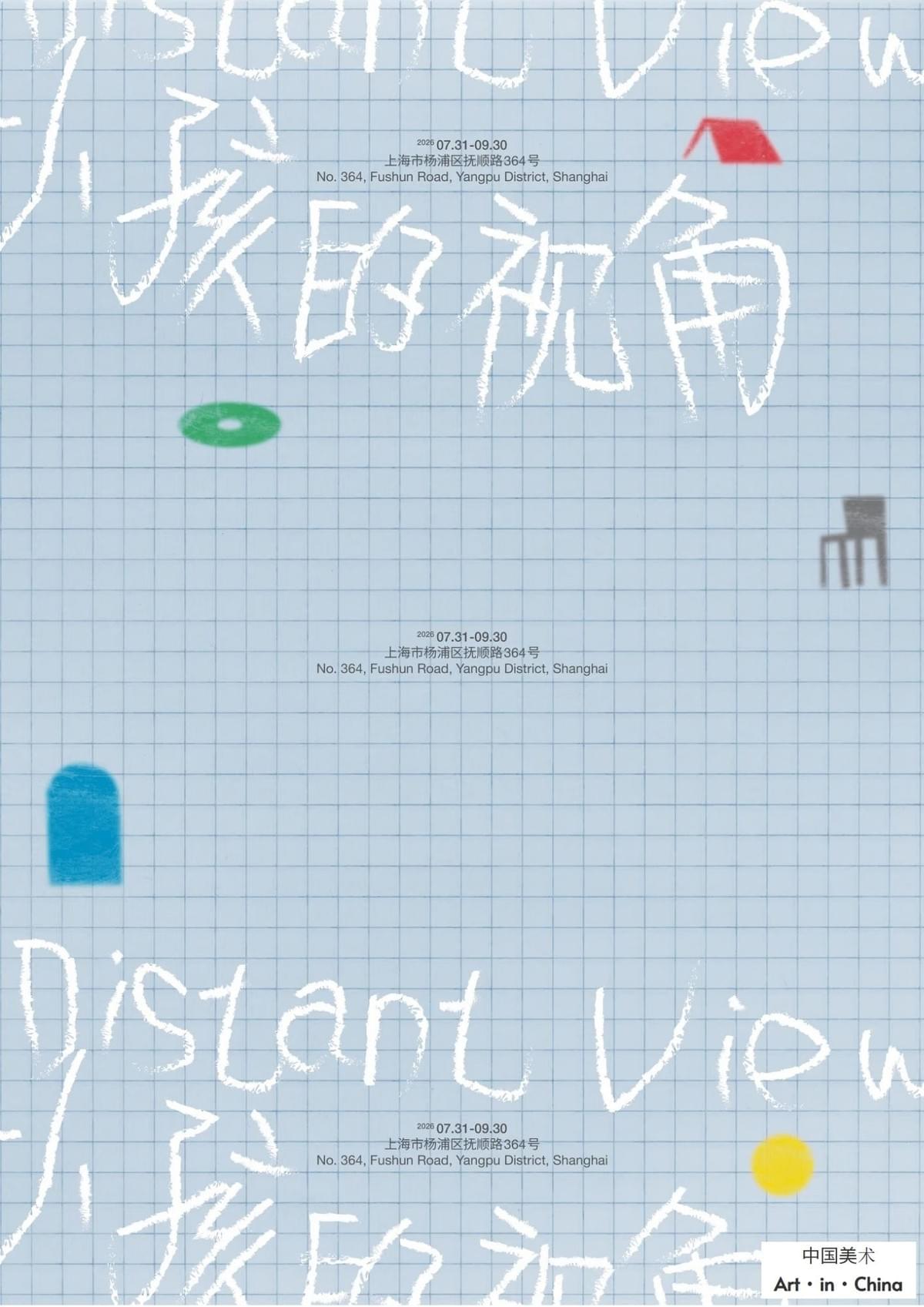
"A Child's Perspective: Distant View" brings together 7 artists who invite visitors to look back at their childhood with curiosity and nostalgia. The show has been extended due to high demand from visitors. It consists of two sections - "Big looking at small" and "Small looking at big". Visitors are invited to switch roles and see how much they have changed and achieved over the course of their lives so far as well as to rediscover the child within them and reconnect with childlike optimism and their childhood dreams.